
Introduction: The New Frontier of Industry in the Northern Borders
In the vast, sun-scorched landscape of Saudi Arabia’s Northern Borders Province, a transformation of epic proportions is underway. Turaif, once a quiet outpost, is now emerging as a pivotal hub in the Kingdom’s ambitious industrial diversification journey. At the epicenter of this surge is the monumental Wa’ad Al-Shamal Industrial City, a cornerstone of Saudi Arabia’s Vision 2030, designed to unlock the nation’s vast mineral wealth.
This city, alongside the massive phosphate mining and processing operations led by the Saudi Arabian Mining Company (Ma’aden), represents one of the largest industrial undertakings in the region. With recent investment phases exceeding SAR 29 billion, including the landmark SAR 28 billion Phosphate 3 project, the area is a hive of construction, engineering, and logistical activity.
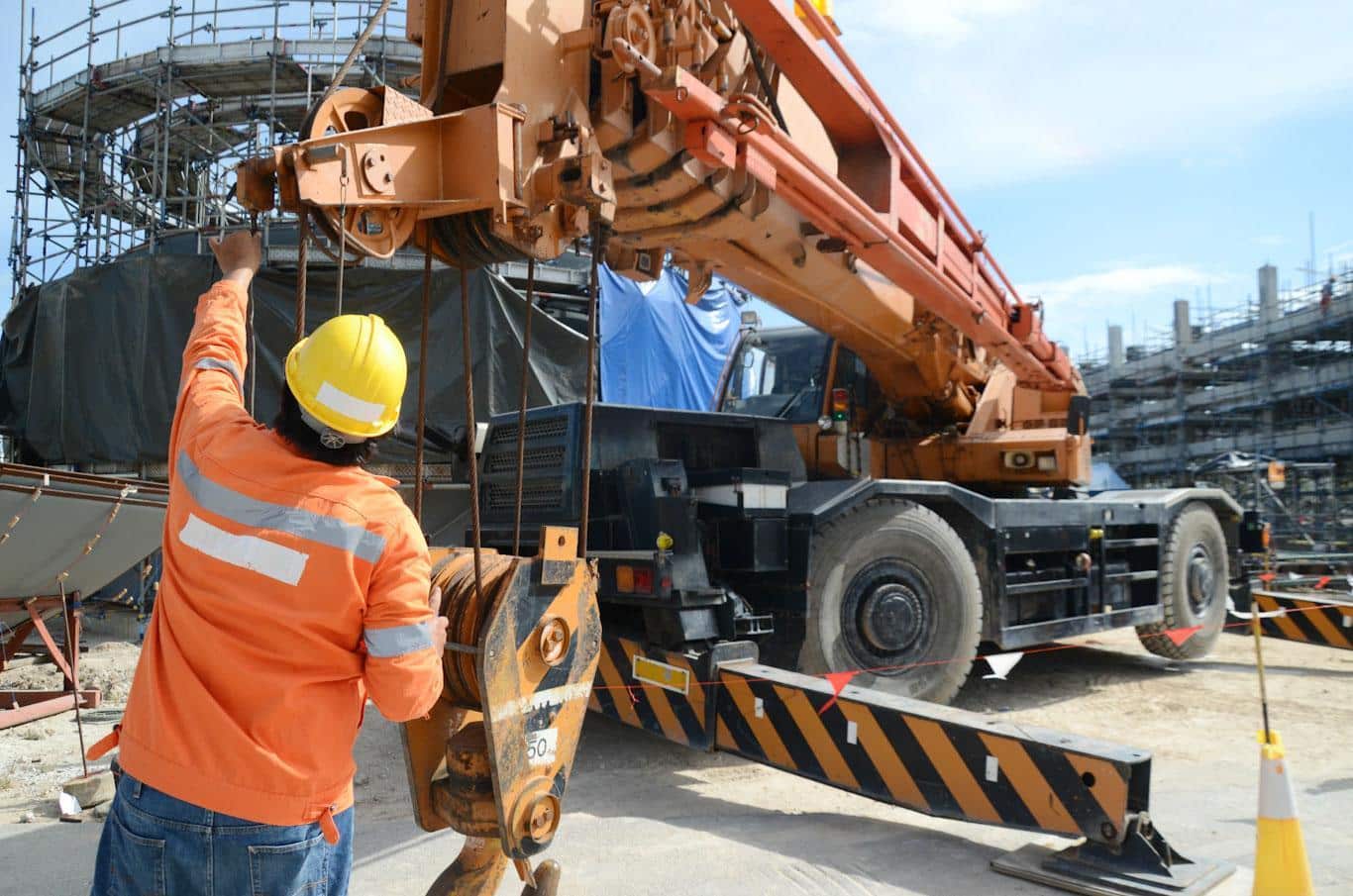
This unprecedented development hinges on the safe and efficient movement of colossal loads—from multi-ton components for mineral processing plants to vast steel structures for new infrastructure. The unsung heroes of this industrial ballet are the cranes: towering all-terrain cranes navigating the desert, robust crawler cranes performing critical heavy lifts, and precise overhead systems within processing facilities. The reliability of these machines is not merely a matter of operational efficiency; it is the bedrock of worker safety, project timelines, and the very success of the national vision.
As the pace of development accelerates, so does the imperative for rigorous safety protocols. The harsh desert environment, combined with the sheer scale of operations, creates a unique set of challenges that demand specialized expertise. This is where Alliance Infinite, a globally recognized leader in third-party inspection, testing, certification, and training services, has established a strategic presence.
Our expansion into Turaif is a direct response to the critical need for world-class, locally accessible crane inspection company in Turaif services. Specializing in lifting equipment inspection and crane certification, we are the trusted partners for businesses navigating the complexities of this booming region. We help you not only comply with stringent Saudi regulations but also build a culture of safety that protects your most valuable assets: your people, your equipment, and your project’s legacy.
This comprehensive guide serves as an essential resource for project managers, safety officers, EPC contractors, and plant operators in Turaif and the Northern Borders. We will delve into the critical importance of crane operations, explore the unique risks of the desert environment, provide a detailed framework for pre-operation checks, demystify Saudi Arabian compliance standards, and articulate the undeniable value of partnering with a third-party expert like Alliance Infinite.

The Growing Importance of Crane Operations in Turaif and Northern Borders
Turaif’s strategic location and rich mineral deposits have positioned it at the forefront of Saudi Arabia’s economic diversification. The Wa’ad Al-Shamal Industrial City is more than just a mining site; it is a fully integrated ecosystem encompassing phosphate mining, the production of ammonia and phosphoric acid, and the manufacturing of final fertilizers. This “mine-to-market” approach requires a complex choreography of heavy lifting at every stage:
- Construction Phase: The initial build-out of the city and its processing plants involves erecting massive structures, installing heavy machinery, and laying extensive infrastructure. This relies heavily on a fleet of mobile cranes (all-terrain and rough-terrain) for their mobility and versatility, and tower cranes for the vertical construction of buildings and support structures.
- Installation and Commissioning: Within the processing facilities, overhead cranes and gantry systems are crucial for positioning and installing enormous reactors, crushers, conveyors, and other critical equipment with millimeter precision.
- Ongoing Operations and Maintenance: The continuous operation of a mining and processing complex requires regular maintenance. Mobile cranes are indispensable for lifting replacement parts, performing repairs on elevated structures, and handling routine material transport throughout the site.
The scale of these operations is immense. A single lift can involve placing a 100-ton vessel into a multi-story structure or maneuvering delicate, long-span conveyor sections. The consequences of failure are not limited to equipment damage; they can result in catastrophic injury, environmental harm, and project delays that cost millions per day. This high-stakes environment makes regular, professional mobile crane inspection Northern Borders services not a luxury, but a non-negotiable necessity. Alliance Infinite’s commitment to the region ensures that businesses have access to LEEA-accredited, SASO-compliant inspections, safeguarding their operations and contributing directly to the realization of Vision 2030’s goals for a safer, more diversified, and globally competitive industrial sector.
Common Risks in Crane Operations in Remote and Harsh Desert Environments
Operating heavy lifting equipment in Turaif is fundamentally different from operating in a temperate, urban environment. The desert presents a confluence of environmental and logistical challenges that can degrade equipment and elevate risk if not properly managed.
1. Extreme Heat and Thermal Stress
Temperatures in Turaif frequently soar above 45°C (113°F) during the summer months. This extreme heat has a profound impact on crane systems:
- Hydraulic System Degradation: Hydraulic fluids can lose viscosity, reducing their lubricating properties and leading to increased friction and wear on pumps, motors, and actuators. Seals and hoses can become brittle and fail, leading to catastrophic loss of pressure and control.
- Engine Overheating: Diesel engines operate under immense thermal loads, increasing the risk of overheating, which can cause sudden shutdowns during a critical lift.
- Structural Expansion and Metal Fatigue: Metal components expand under heat, potentially altering tolerances and stressing critical connections like bolts and welds. Repeated heating and cooling cycles accelerate metal fatigue.
- Electrical System Failures: High temperatures can degrade wiring insulation and cause electronic control modules to malfunction or fail.
2. Wind, Sand, and Abrasive Dust
The desert is defined by its particulate matter.
- Reduced Stability and Visibility: Sudden gusts of wind can create dangerous side-loading on crane booms, reducing stability and increasing the risk of a load swinging uncontrollably or the crane overturning. Dust storms can reduce visibility to near zero, making it impossible for the operator and rigging crew to see the load and surrounding hazards.
- Infiltration and Abrasion: Fine, abrasive sand is a relentless enemy of machinery. It infiltrates every crevice:
- Wire Ropes: Sand acts as an abrasive, grinding away at the individual strands, leading to internal and external wear.
- Bearings and Pivot Points: Grit in turntable bearings, boom pivot points, and sheave bearings causes accelerated wear and can lead to seizing.
- Electrical and Control Systems: Dust can short-circuit control panels, obscure sensors, and clog cooling fans.
3. Unstable and Variable Ground Conditions
The desert floor is rarely uniform.
- Outrigger Failure: The ground beneath crane outriggers can be loose sand, compacted gravel, or unstable rocky terrain. Without proper ground-bearing pressure analysis and the use of engineered timber or steel mats (cribbing), outriggers can sink or punch through, leading to a sudden and catastrophic tilt or overturn.
- Lack of Prepared Surfaces: Remote sites often lack paved, prepared surfaces, requiring meticulous planning for every crane setup.
4. Accelerated Corrosion and Material Fatigue
While often perceived as dry, desert air can carry saline moisture, especially in the mornings, and the sand itself is highly abrasive.
- Stress Corrosion Cracking: The combination of tensile stress (from lifting loads) and a corrosive environment can initiate microscopic cracks in high-strength steel components like hooks, shackles, and boom pins, which can propagate rapidly and lead to sudden failure.
- Surface Abrasion: Constant windblown sand erodes paint and protective coatings, exposing bare metal to the elements and accelerating rust and corrosion.
5. Human Factors: Isolation and Operator Fatigue
The remote nature of projects like Wa’ad Al-Shamal introduces significant human risks.
- Delayed Emergency Response: The distance from major medical facilities and emergency services means that any incident is inherently more severe.
- Operator Fatigue: Long shifts in extreme heat lead to dehydration, heat stress, and cognitive fatigue, which can impair judgment, slow reaction times, and lead to critical errors.
Statistics on crane accidents globally consistently point to environmental factors and lack of proper inspection as primary contributors. A proactive, professional inspection regime is the most effective tool for identifying and mitigating these desert-specific risks before they can lead to an incident.
Pre-Operation Checks: A Step-by-Step Guide for Safe Crane Use

A daily pre-operation inspection is the operator’s first and most crucial line of defense. It is a legal requirement and a fundamental safety practice. This detailed checklist, aligned with international best practices and Saudi requirements, should be performed by a competent person before the crane is put into service each day.
Section 1: Visual External and Structural Inspection
- Boom, Jib, and Extensions: Thoroughly inspect the entire length of the boom for any signs of dents, cracks, bends, or corrosion. Pay close attention to welds and connecting pins.
- Outriggers and Chassis: Check outrigger beams for straightness and damage. Ensure the floats (pads) are in good condition. Inspect the main chassis for any structural damage.
- Tires or Tracks: For mobile cranes, check tire pressure and condition for cuts or abnormal wear. For crawler cranes, inspect track shoes, pins, and sprockets for excessive wear or damage.
- Fluid Leaks: Conduct a comprehensive walk-around and look underneath the crane for any signs of leaks from the hydraulic system, engine oil, coolant, or fuel.
Section 2: Wire Ropes, Reeving, and Load Chains
- Wire Rope Inspection: In accordance with SASO GSO ISO 4309, visually examine the entire length of the hoisting, luffing, and pendant ropes. Look for broken wires, kinks, corrosion, flattening, or “bird-caging” (where strands are forced out of their normal position). Check for proper lubrication.
- Reeving Configuration: Verify that the wire ropes are reeved correctly through all sheaves and the boom tip as per the manufacturer’s load chart.
- Load Chains: If equipped, inspect load chains for signs of wear, stretch, cracks, or twisted links.
Section 3: Hooks, Blocks, and Lifting Accessories
- Hook Inspection: Check the main hook and any auxiliary hooks for cracks, deformation, or excessive wear in the swivel. Ensure the throat opening has not stretched more than 5-10% (as per manufacturer/specification limits). Verify that the safety latch is present, functional, and closes securely.
- Load Block: Inspect the hook block’s shell, sheaves, and bearings for damage or wear.
- Slings and Rigging Gear: While the operator’s primary focus is on the crane, a quick visual check of the slings being used (if applicable) for damage, correct tags, and rated capacity is a best practice.
Section 4: Controls, Safety Devices, and Alarms
- Cab Controls: Test all joysticks, levers, and pedals in the cab for smooth and responsive operation.
- Safety Devices: This is a critical step.
- Load Moment Indicator (LMI) / Rated Capacity Limiter (RCL): Power on the system and ensure it self-calibrates. Check that the display is functional and shows the correct configuration (boom length, angle, radius).
- Anti-Two-Block (ATB) Device: Test the ATB system to ensure it will stop the hoist before the hook block contacts the boom tip.
- Emergency Stops: Test all emergency stop buttons to ensure they immediately cut power to relevant functions.
- Alarms and Lights: Verify that all audible alarms (for overload, ATB, etc.) and visual warning lights (beacons, work lights) are operational.
Section 5: Operational Test (No Load)
- Function Check: With no load attached, run each crane function through its full range of motion: hoist up/down, telescope in/out, luff up/down, and swing left/right.
- Listen and Observe: Listen for any unusual noises from hydraulic pumps, motors, or gearboxes. Observe for smooth, jerk-free movement. Check that all brakes engage and hold effectively.
Section 6: Documentation Review
- Inspection Certificate: Ensure the current, valid third-party periodic inspection certificate is on board and readily available.
- Operator’s Logbook: Review the daily logbook for any entries about previous issues or required maintenance.
Alliance Infinite provides clients with detailed, easy-to-use pre-operation checklists and comprehensive periodic inspection reports that not only detail the crane’s condition but also serve as a valuable training and tracking tool for your team.
Compliance with Saudi Standards and Regulations for Crane Inspections
Navigating the regulatory landscape in Saudi Arabia is paramount for any industrial operation. The Kingdom has a robust framework of standards designed to ensure the highest levels of safety, particularly for high-risk equipment like cranes.
Key Regulatory Bodies and Standards:
- SASO (Saudi Standards, Metrology and Quality Organization): The national standards body. Its technical regulations are law.
- GSO (Gulf Standardization Organization): Harmonizes standards across the GCC member states. Many GSO standards are adopted as SASO standards.
Core Regulations and Standards for Cranes:
-
SASO Technical Regulation for Machinery Safety – Part 3: Lifting Equipment: This is the foundational legal document. It mandates that:
- All new lifting equipment must undergo an initial inspection by an accredited body before being put into service for the first time.
- All in-service lifting equipment must undergo periodic thorough examinations at intervals defined by the regulation or a risk assessment (typically annually, but more frequently for intensive use).
- These inspections must be performed by a third-party inspection body accredited to ISO 17020, which specifies the competence of inspection bodies. This ensures impartiality and technical proficiency.
- A valid inspection certificate must be issued after each successful examination and must be available on the equipment.
-
Relevant GSO/SASO ISO Standards: The technical regulation references numerous international standards, including:
- ISO 4301-2: Cranes – Classification – Part 2: Mobile cranes. This standard defines the crane’s classification (e.g., A1, A2…), which dictates the duty cycle and inspection frequency.
- ISO 4305: Mobile cranes – Determination of stability. This is the engineering standard used to verify that a crane’s design is stable under various loading conditions.
- ISO 4309: Cranes – Wire ropes – Care and maintenance, inspection and discard. This provides the detailed criteria for when a wire rope must be removed from service due to wear, broken wires, or other defects.
- ISO 9926-1: Cranes – Training of drivers – Part 1: General. Outlines the minimum requirements for operator training and competency.
Hierarchy of Inspections:
- Daily Pre-Operation Check: Performed by the operator.
- Frequent/Weekly Inspection: A more in-depth check of key safety features and wear items, often performed by site maintenance personnel.
- Periodic Thorough Examination (Annual): A comprehensive, documented inspection of all structural, mechanical, and safety components. This must be performed by an accredited third-party like Alliance Infinite. It results in the issuance of the legal compliance certificate.
- Special/Exceptional Inspection: Required after major repairs or modifications, following an accident or near-miss, or if the crane has been idle for an extended period.
Consequences of Non-Compliance:
Failure to comply with these regulations carries severe penalties:
- Fines and Sanctions: Substantial financial penalties from regulatory authorities.
- Stop-Work Orders: The Ministry of Labor or other authorities can halt operations on an entire project until compliance is demonstrated.
- Equipment Seizure: Non-compliant cranes can be impounded.
- Criminal Liability: In the event of an accident resulting in injury or death, company directors and responsible individuals can face criminal charges.
- Insurance Invalidation: Insurance policies may become void if an accident occurs with uninspected or non-compliant equipment.
- Reputational Damage: Loss of reputation can disqualify a company from future bids, particularly with major clients like Aramco, SABIC, and Ma’aden.
As an ISO 17020-accredited and LEEA-recognized organization, Alliance Infinite is fully qualified to perform these mandatory inspections. We deliver SASO-compliant reports and certificates that provide you with legal assurance and peace of mind.
Why Choose Alliance Infinite as Your Crane Inspection Company in Turaif?

In a market with growing demands, choosing the right inspection partner is a strategic decision. Alliance Infinite distinguishes itself through a combination of local commitment, global expertise, and a client-centric approach.
-
Unwavering Local Commitment: Our expansion into Turaif is not just a business move; it’s a commitment to the region’s growth. We are establishing a local presence to ensure rapid response times, deep understanding of local challenges, and a dedicated point of contact for our clients in the Northern Borders. We serve not only Turaif but also surrounding industrial areas, including Qunfudhah, Jazan, and Afifi, creating a network of safety expertise across Saudi Arabia.
-
Unparalleled Global Expertise and Accreditation: Alliance Infinite is accredited by the Lifting Equipment Engineers Association (LEEA), the world’s leading representative body for the lifting industry. This accreditation is a globally recognized mark of excellence, signifying that our inspectors, procedures, and quality management systems meet the highest international standards. Our team includes LEEA-qualified Appointed Persons and engineers with extensive experience on complex, Aramco-approved projects.
-
Truly Comprehensive Service Portfolio: Our capabilities extend far beyond basic inspections. We offer a one-stop-shop for all your lifting equipment safety needs:
- Full Thorough Examinations and Certification for all types of cranes and lifting gear.
- Non-Destructive Testing (NDT), such as Ultrasonic Testing (UT) and Magnetic Particle Inspection (MPI), for critical components like hooks and boom pins.
- Lift Plan Development and Review to ensure engineering best practices are followed for every critical lift.
- Risk Assessments for all lifting operations.
- Operator and Rigger Training Programs to build in-house competency and a strong safety culture.
-
Tangible Business Benefits: Partnering with us delivers a clear return on investment:
- Risk Mitigation: Proactively identify and eliminate potential failures, protecting your people and assets.
- Minimized Downtime: Our efficient, planned inspections prevent unexpected breakdowns and keep your projects on schedule.
- Extended Equipment Life: Expert advice on maintenance and wear helps you get the most out of your capital assets.
- Guaranteed Compliance: We navigate the complex regulatory landscape for you, ensuring you are always audit-ready and fully compliant with SASO and GSO standards.
When you choose Alliance Infinite, you are not just hiring an inspector; you are gaining a dedicated partner committed to the safety and success of your operations in Turaif.
Case Studies and Best Practices: Proactive Safety in Action
Case Study: Preventing a Catastrophic Failure at Wa’ad Al-Shamal
A major EPC contractor was operating a 200-ton all-terrain crane for routine maintenance lifts at a phosphate processing plant in Wa’ad Al-Shamal. While the crane had a valid annual certificate, the contractor engaged Alliance Infinite for a mid-year supplemental inspection due to the high-intensity nature of the work. Our inspector performed a detailed visual inspection supplemented with Non-Destructive Testing. During an ultrasonic test of a critical boom section pivot pin, our technician detected an internal flaw—a micro-crack that was invisible to the naked eye. This pin was under immense tensile stress during every lift. Had it failed, it would have caused a catastrophic boom collapse, endangering lives and halting plant operations for months.
Action Taken: Alliance Infinite immediately issued a “Do Not Use” recommendation. We provided a detailed report with the NDT readings. The contractor sourced a replacement pin, and our team supervised its installation and re-inspected the crane before it was returned to service.
Outcome: A potential multi-million dollar disaster was averted. The contractor’s investment in a supplemental inspection paid for itself countless times over and reinforced their reputation for safety with their client, Ma’aden.
Best Practices for World-Class Crane Safety in Turaif:
- Foster a Top-Down Culture of Safety: Safety must be a core value, led by senior management and reinforced at every level.
- Embrace Proactive, Not Reactive, Maintenance: Use inspection data to predict component wear and schedule replacements before failures occur.
- Invest in Your People: Continuous, high-quality training for operators, riggers, and supervisors is the most effective safety tool.
- Plan Every Lift: No lift is “too small” for a plan. A simple risk assessment and lift plan ensure all hazards are considered.
- Partner with a Third-Party Expert: An external specialist like Alliance Infinite provides an objective, expert assessment, free from internal pressures, ensuring the highest standards of safety and compliance.
Conclusion: Building a Safe and Prosperous Future in Turaif
Turaif stands at the cusp of a new era, a symbol of Saudi Arabia’s industrial ambition and the transformative power of Vision 2030. The massive mining, infrastructure, and industrial projects driving this growth are built upon a foundation of heavy lifting. In this high-stakes environment, the margin for error is zero. Safe, reliable, and compliant crane operations are not just a regulatory requirement; they are the moral and economic imperative that underpins every project’s success.
The unique challenges of the Northern Borders desert—from extreme heat to unstable ground—demand a specialized, vigilant approach to equipment safety. Daily checks, rigorous maintenance, and a deep understanding of Saudi Arabian standards are essential. But to truly achieve operational excellence and peace of mind, the expertise of an independent, accredited third-party inspector is invaluable.
Alliance Infinite has proudly brought its global expertise and local commitment to Turaif. We are more than a crane inspection company in Turaif; we are your dedicated partner in progress, helping you navigate the complexities of this dynamic region with confidence. Our LEEA-accredited services ensure that your equipment is safe, your operations are compliant, and your projects are protected from the risks that can derail progress.
Don’t wait for an incident to define your safety standards. Proactively build a culture of excellence that protects your team, your assets, and your project’s legacy.
Ready for a consultation or to schedule an inspection? Contact Alliance Infinite today and let us be your partner in safety.
Call us at +966 54 157 3237 or visit our website to learn more.
References and Links
- SASO Technical Regulation for Machinery Safety – Part 3: Lifting Equipment: https://saso.gov.sa/en/Laws-And-Regulations/Technical_regulations/Documents/TR-Machinery-Safety-Part3-Lifting-Equipment.pdf
- Alliance Infinite Lifting Equipment Inspection Services: https://allianceinfinite.com/lifting-equipment-inspection-saudi-arabia
- Wa’ad Al-Shamal City Development: https://www.bechtel.com/projects/waad-al-shamaal-city-development
- Northern Borders Investment and Mining Updates (SPA): https://www.spa.gov.sa/en/N2264409
- Saudi Vision 2030 Official Website: https://www.vision2030.gov.sa/
- Lifting Equipment Engineers Association (LEEA): https://www.leea.com/
- Internal Alliance Infinite Crane Pre-Operation Inspection Guide: https://allianceinfinite.com/crane-pre-operation-inspection


 +966 541573237